


Selling fast!
Get yours while you can.
ISO-HPO-2
Couldn't load pickup availability
Prices valid in USA, Canada, and PR only.
See the latest Biosensor Data Sheet.
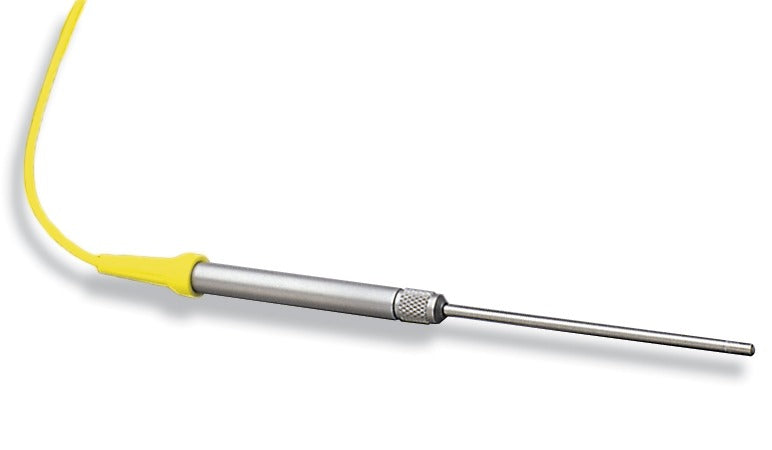
The ISO-HPO-2 is a 2.0 mm stainless steel sensor, with replaceable membrane sleeves (600012) and an internal refillable electrolyte (100042). It is designed for use in cell cultures and similar applications.
The ISO-HPO-100 is a 100 µm tip diameter hydrogen peroxide micro sensor designed for use in tissues and similar applications. The design is based on a platinum wire sensing electrode coated with a proprietary membrane to enhanceH2O2 detection.
These sensors incorporate WPI’s proprietary combination electrode technology whereby the hydrogen peroxide sensing element and separate reference electrode are encased within a single Faraday-shielded probe design. This design has been shown to enhance performance during measurements and minimizes overall sensor size.
Our hydrogen peroxide (H2O2) sensors work with the TBR4100 and TBR1025 free radical analyzers.
NOTE: The 2mm biosensors come with a spare membrane sleeve, 1 cc syringe, an MF28G67 MicroFil needle and 10 mL of filling solution.

Hydrogen Peroxide is produced in biological systems by controlled pathways at low concentrations that impact on cell signaling. At higher concentrations inflammatory cells produce local intense amounts of this oxidant to kill pathogens. In the progress of human disease, uncontrolled formation of hydrogen peroxide from the mitochondrial respiratory chain and enzymes, such as xanthine oxidase, can occur (Prof. Victor Darley-Usmar, Univ. of Alabama, personal communication).


100042


600011

600012

IGS100


In this video, WPI Chemist Nikki Scafa demonstrates how to make a PBS buffer solution for use with WPI microsensors.

In this video, Nikki demonstrates how to prepare and fill a 2mm biosensor and prepare to calibrate an ISO-OXY-2 oxygen sensor.

Do you need a precision microinjector with an integrated pressure source for injections in the picoliter range? WPI’s new MICRO-ePUMP, which is comparable to the Ependorf Femtojet, is a portable solution for injecting DNA, RNA and proteins, as well as pre- and post- implantation in embryos.