

 Powered by Bioz


Selling fast!
Get yours while you can.
ISO-NOP
Couldn't load pickup availability
Prices valid in USA, Canada, and PR only.
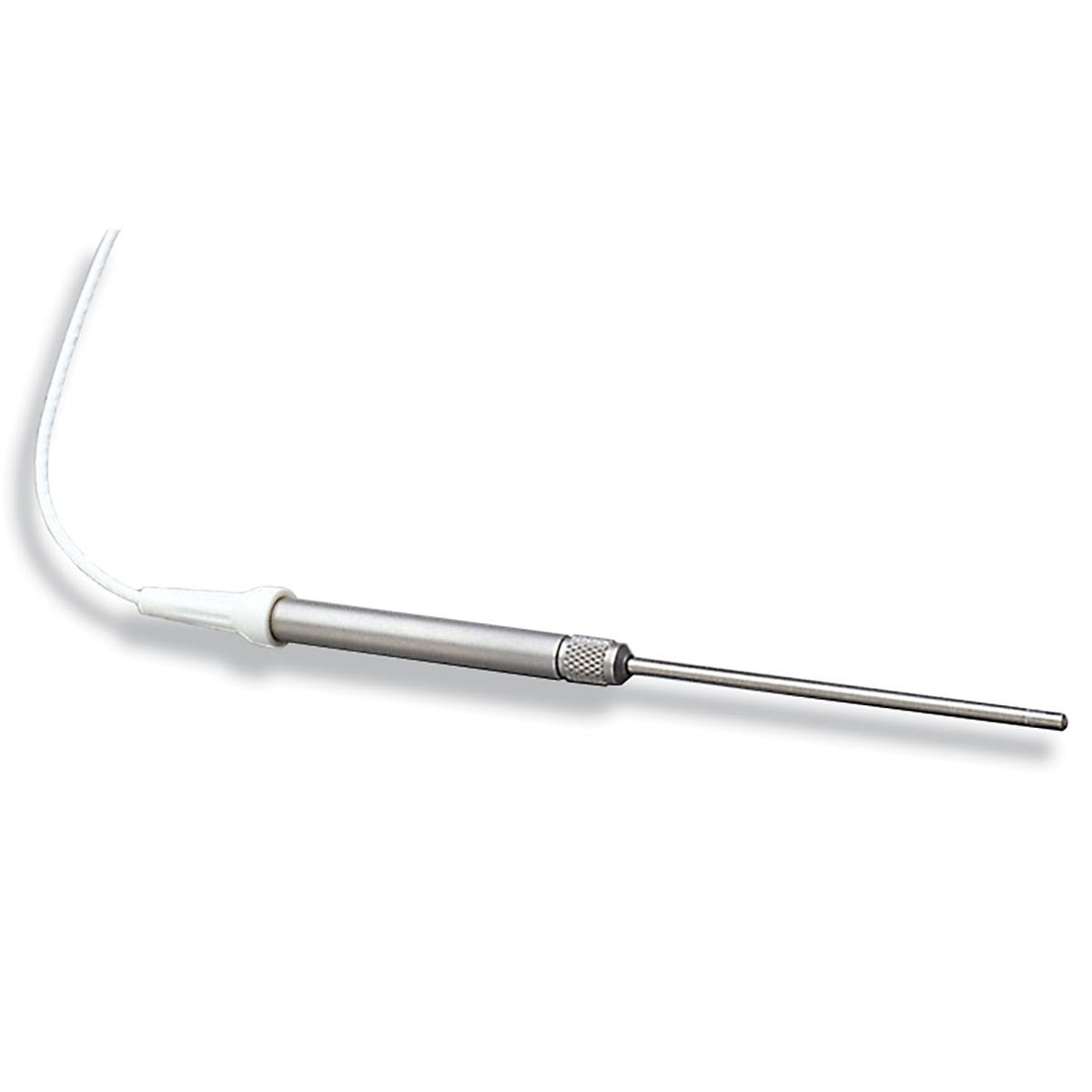
NOTE: The 2 mm biosensors come with a spare membrane sleeve, 1cc syringe, an MF28G67 MicroFil needle and 10mL of filling solution.

 The image (right) shows an abdominal x-ray of an apparatus consisting of two customized ISO-NOP nitric oxide probes, 4-channel pH catheter and Teflon nasogastic tube. (Courtesy Prof. K.E.L. McColl, University Department of Medicine and Therapeutics, Western Infirmary, Glasgow, Scotland., lijima, K., et al. Gastroenterology 2003:122:1248-1257)
The ideal NO sensor should be insensitive to other reactive species likely to be present within the measurement environment. Conventional Nafion coated carbon fiber NO sensor exhibits a large response to such species. WPI's unique NO sensor technology utilizes an novel surface membrane which amplifies the response to NO while eliminating responses to a vast range of reactive species, including nitrite, absorbic acid, hydrogen peroxide, catecolamines and much more.


5436


7357


7521


IGS100


Multiple SKUs

NSA-3


Multiple SKUs

In this video, WPI Chemist Nikki Scafa demonstrates how to make a 0.1M solution of CuCl2 for calibrating WPI NO microsensors.

In this video, WPI Chemist Nikki Scafa demonstrates how to make a PBS buffer solution for use with WPI microsensors.

In this video, Nikki demonstrates how to prepare and fill a 2mm biosensor and prepare to calibrate an ISO-OXY-2 oxygen sensor.

WPI offers a range of biosensors for monitoring nitric oxide, hydrogen peroxide, oxygen and hydrogen sulfide. Specifications for these sensors are detailed below.

Nitric oxide (NO) is an essential signaling molecule and is known to play a significant role in a multitude of physiological systems including the central nervous system (CNS), the cardiovascular system, the gastrointestinal tract, the immune system, and the renal system. 1-5 However, being highly reactive, detection and quantification of NO is very difficult.6,7 It requires a sensor that is sensitive, selective to NO, and easy to calibrate.

Do you need a precision microinjector with an integrated pressure source for injections in the picoliter range? WPI’s new MICRO-ePUMP, which is comparable to the Ependorf Femtojet, is a portable solution for injecting DNA, RNA and proteins, as well as pre- and post- implantation in embryos.