Selling fast!
Get yours while you can.
Free Shipping on web orders over $50! (USA only. Some exclusions.) Our mid-season sale is on. Shop Phones
505433
Couldn't load pickup availability
Prices valid in USA, Canada, and PR only.
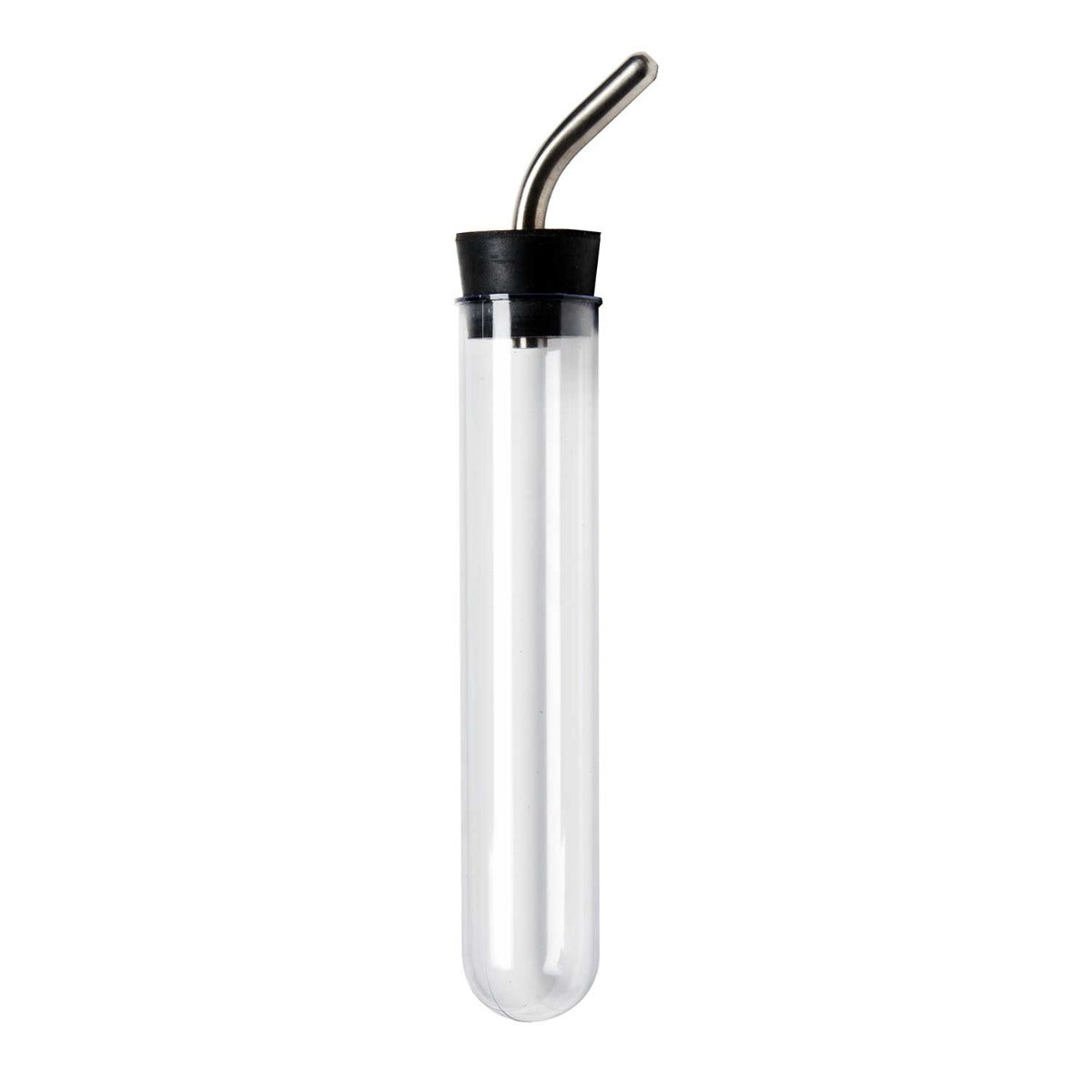
| Order code | Product name | Description |
| 505432 | Rat water bottle |
|
| 505433 | Mouse Water Bottle |
|
| Type | Description |
| Capacity | ~100 mL (this is the volume before adding the cap, which displaces some of the fluid) |
| Length | ~16.5 cm |
| Width | ~3.2 cm |
| Cap width | 2.7cm at the bottom and 3.2cm at the top |
| Spout length | 4.8 cm |
| Spout diameter | 0.8 cm |
| Spout internal diameter | 0.3 cm |
| Type | Description |
| Capacity | ~45 mL (this is the volume before adding the cap, which displaces some of the fluid) |
| Length | ~7.5 cm |
| Width | ~3.2 cm |
| Cap width | 2.7cm at the bottom and 3.2cm at the top |
| Spout length | 4.8 cm |
| Spout diameter | 0.8 cm |
| Spout internal diameter | 0.3 cm |

$60.00
When it comes to gene modification and transfection research, success often depends on the smallest details. One of the most critical factors in microinjection-based techniques is the geometry of the pipette tip.
You've calibrated your pressure settings perfectly, your timing is precise, yet you're still watching expensive reagents leak into the bath solution during microinjection. Sound familiar? This frustrating scenario plays out in labs worldwide, often leading researchers to question their pump settings or injection protocols. But after years of troubleshooting with scientists using WPI's next generation microinjection systems, one critical factor emerges repeatedly: tip geometry.
Selling fast!
Get yours while you can.