


Selling fast!
Get yours while you can.
14140
Couldn't load pickup availability
Prices valid in USA, Canada, and PR only.


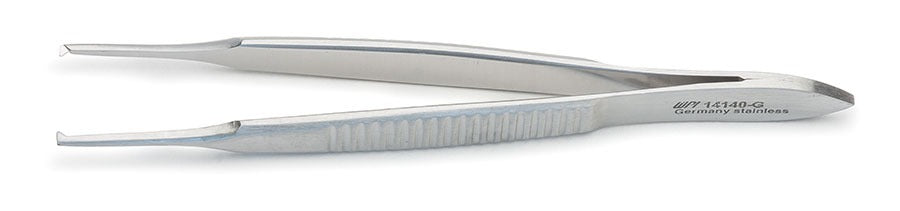

When it comes to sterilizing lab forceps, it is crucial to follow proper protocols to maintain a sterile environment and prevent cross-contamination. Like other surgical instruments, laboratory forceps may be sterilized by autoclaving, dry heat, or a chemical sterilant. However, forceps are uniquely designed for many specific functions, and a few pointers here can ensure you get the best results.
NOTE: Always follow the manufacturer's instructions and best practices to ensure effective sterilization and maintenance of your lab forceps.

Surgical forceps have been used in various forms from ancient times and have evolved into a indispensable instrument for modern surgeries. Forceps are surgical instruments for the practice of medicine which are used for grasping, holding, and manipulating tissues and objects during surgical procedures.

Laboratory forceps are surgical instruments that come in a variety of types. Here’s a brief overview to help you choose a set of forceps for your application. Surgical forceps can be divided into two broad categories, thumb forceps (also called tweezers) and hemostatic forceps. Tweezers can be further divided into dressing forceps and tissue forceps.

Surgical forceps and surgical tweezers are handheld surgical instruments for grasping or clamping, but they serve different purposes and have distinct features. While both are used for manipulating small objects, forceps are typically used in medical and research environments, and tweezers have a broader use in hobbies, daily routine tasks, and mechanical applications. Here we will explore some of the differences between the two, including their construction and uses.

Surgical forceps are available in several different grades, including disposable, standard stainless steel, German steel, Swiss made, and titanium. Your choice of instrument grade will depend on your requirements and your budget. Here are some considerations to help you make an informed decision.