Selling fast!
Get yours while you can.
Free Shipping on web orders over $50! (USA only. Some exclusions.) Our mid-season sale is on. Shop Phones
500455
Couldn't load pickup availability
Prices valid in USA, Canada, and PR only.
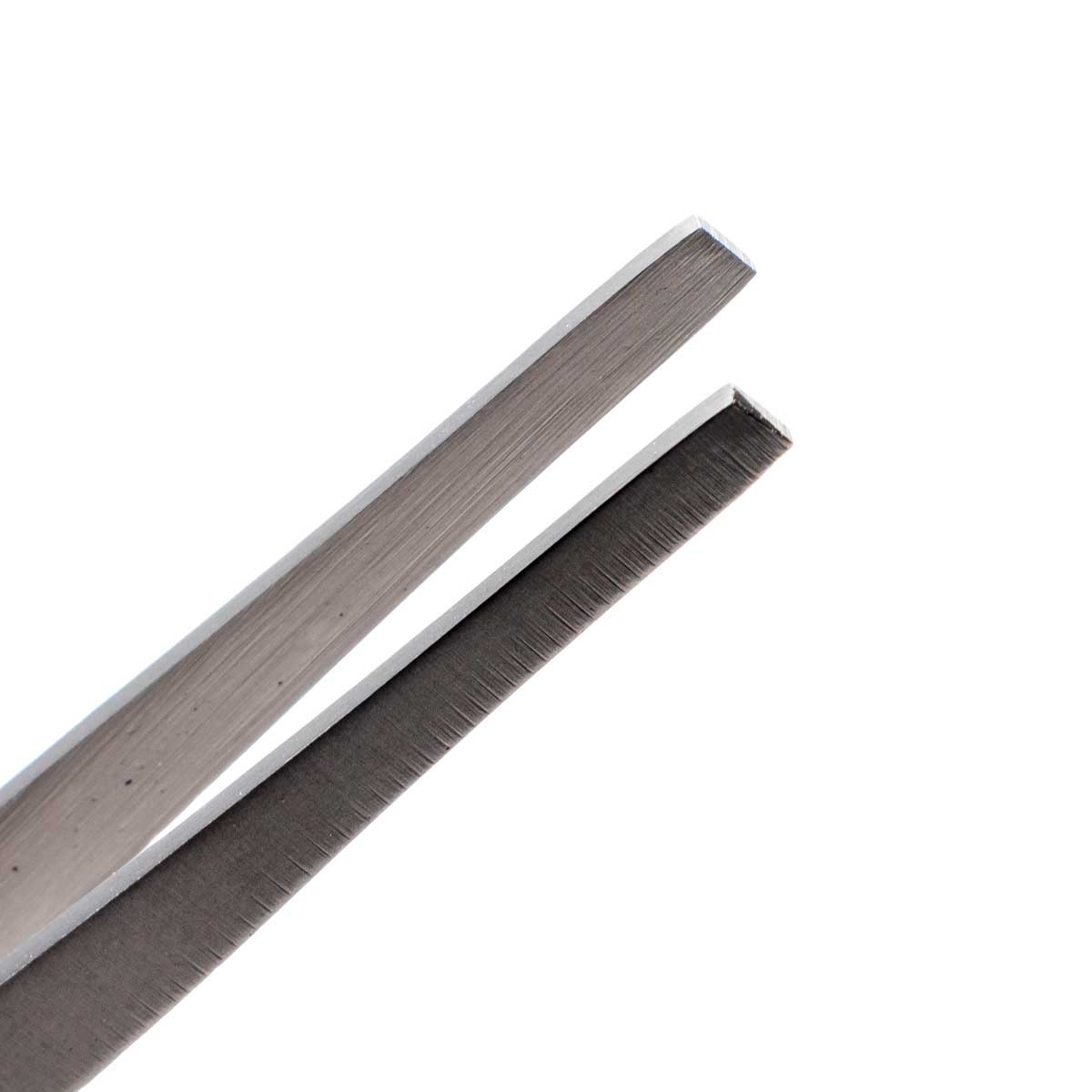
Filter Forceps are surgical instruments designed for the placement, manipulation, or removal of filters like those used in the inferior vena cava (IVC). These filters are placed in the IVC to prevent blood clots from traveling to the lungs in patients at risk of pulmonary embolism. A life science researcher might use these forceps for handling delicate or small samples, for gel handling, for microdissection involving delicate tissue or small structures, or for assembly/disassembly of fragile components. These Filter Forceps are 11 cm (4.3") long with straight, flat jaws and a synthetic, polypropylene fiber grip.
The flat jaws have no serrations, giving you a secure grip on the filter during the insertion and positioning process. Filters, especially ones for medical procedures, are made of delicate materials such as mesh or synthetic fibers. Flat blades on the filter forceps are critical, as serrated tips might snag or damage the filter material, puncturing or tearing the filter during handling. The wide, flat tips also provide a larger surface area for gripping tissues or objects, allowing you a firm grasp while applying less pressure. The applied pressure is also more evenly distributed. The wide, flat tips of forceps provide a more delicate grip, minimizing the risk of crushing or damaging fragile filters during manipulation.
Filter Forceps tips are designed to accommodate the size and shape of the filters used, matching the shape of these filters, ensuring a secure grip for proper handling.
Our Filter Forceps are made of surgical grade stainless steel and are suitable for autoclaving or chemical sterilization. Always clean your surgical instruments promptly after each use.

$45.00
500457
When it comes to sterilizing lab forceps, it is crucial to follow proper protocols to maintain a sterile environment and prevent cross-contamination. Like other surgical instruments, laboratory forceps may be sterilized by autoclaving, dry heat, or a chemical sterilant. However, forceps are uniquely designed for many specific functions, and a few pointers here can ensure you get the best results.
NOTE: Always follow the manufacturer's instructions and best practices to ensure effective sterilization and maintenance of your lab forceps.
Laboratory forceps are surgical instruments that come in a variety of types. Here’s a brief overview to help you choose a set of forceps for your application. Surgical forceps can be divided into two broad categories, thumb forceps (also called tweezers) and hemostatic forceps. Tweezers can be further divided into dressing forceps and tissue forceps.
Selling fast!
Get yours while you can.