
ThermoBox Offers a Steady Environment for Live Cell Imaging
Long imaging sessions are sensitive to changes in the lab environment. When the temperature around a microscope fluctuates, thermal expansion can shift the focus over time. For researchers following living cells, that can mean more adjustments during an experiment and less consistent images.The ThermoBox range from WPI Europe encloses the microscope to help maintain a stable temperature and reduce temperature-related focus drift. Here are four features to consider when planning a live cell imaging setup.
THESE SYSTEMS ARE NOT SOLD BY WPI IN THE USA.
Heating with Anti-Vibrations Fans and No Air Ducts
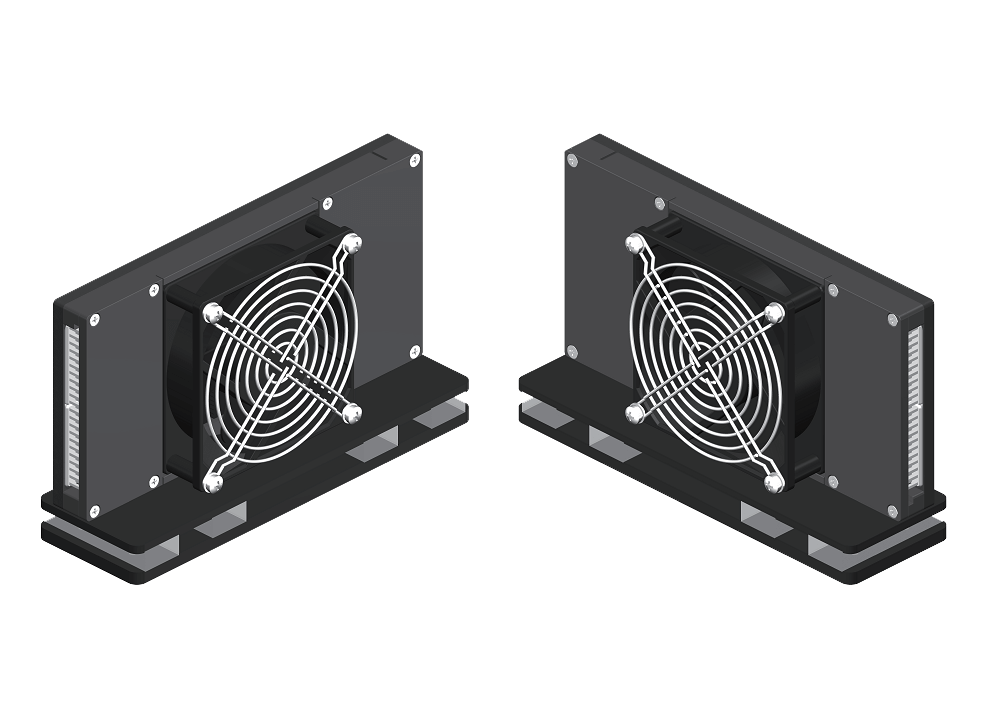
Built-in fan heaters warm the enclosure without a separate heating duct. That can make the arrangement simpler where bench space is limited.
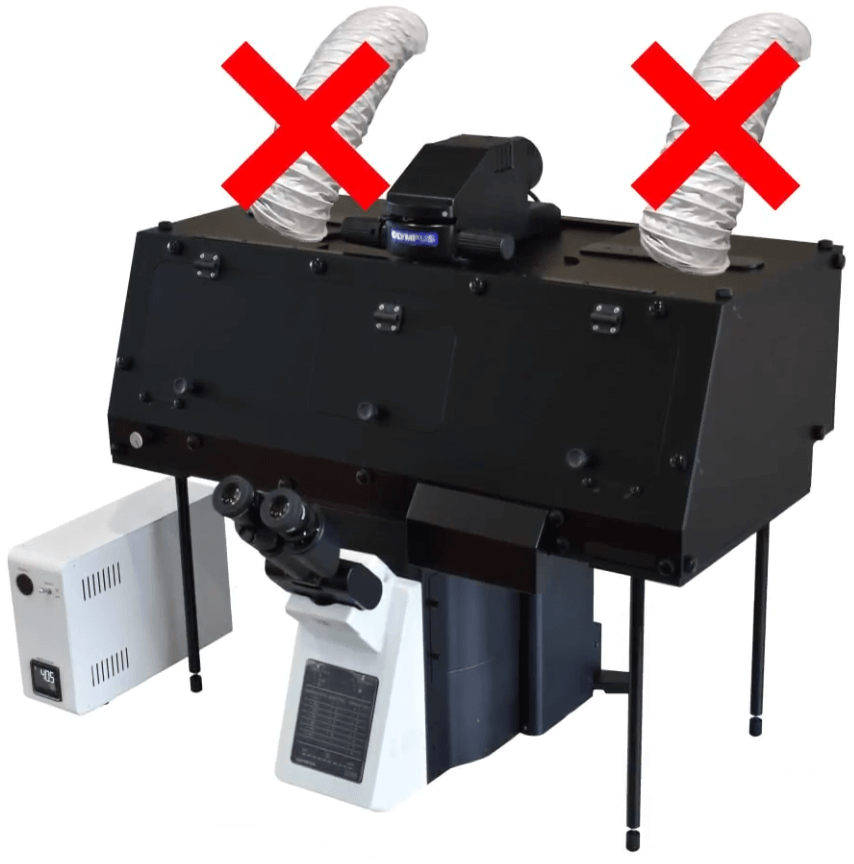
The heater has an anti-vibration design intended for imaging applications, including confocal microscopy. If vibration is a concern for your experiment, see the ThermoBox vibration test video and discuss your microscope configuration with WPI Europe. And, you can save your working and setting space with built-in fan heaters. No air-duct is required for heating. With its anti-vibration design, the system can be used under confocal without image drift.
Option for Light-Sensitive Samples
The dark enclosure option helps shield samples from ambient light, creating a simple dark-room environment around the microscope.
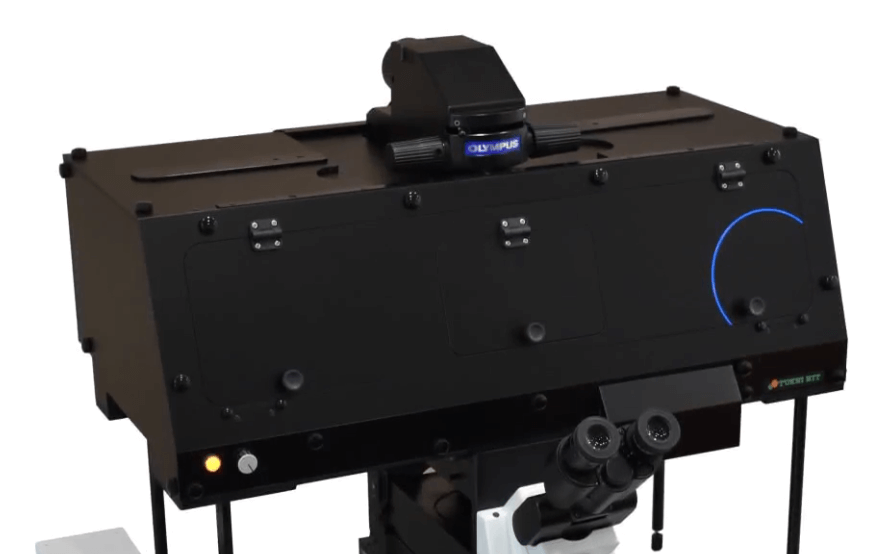
The Dark type can prevent sample from light exposure and function as a simple dark room.
Straightforward Assembly
The enclosure uses mostly thumb screws, so installation does not require special tools. Even a new user can set up the complete system in around 30 minutes. Of course, the time for your lab will depend on the chosen package and microscope.
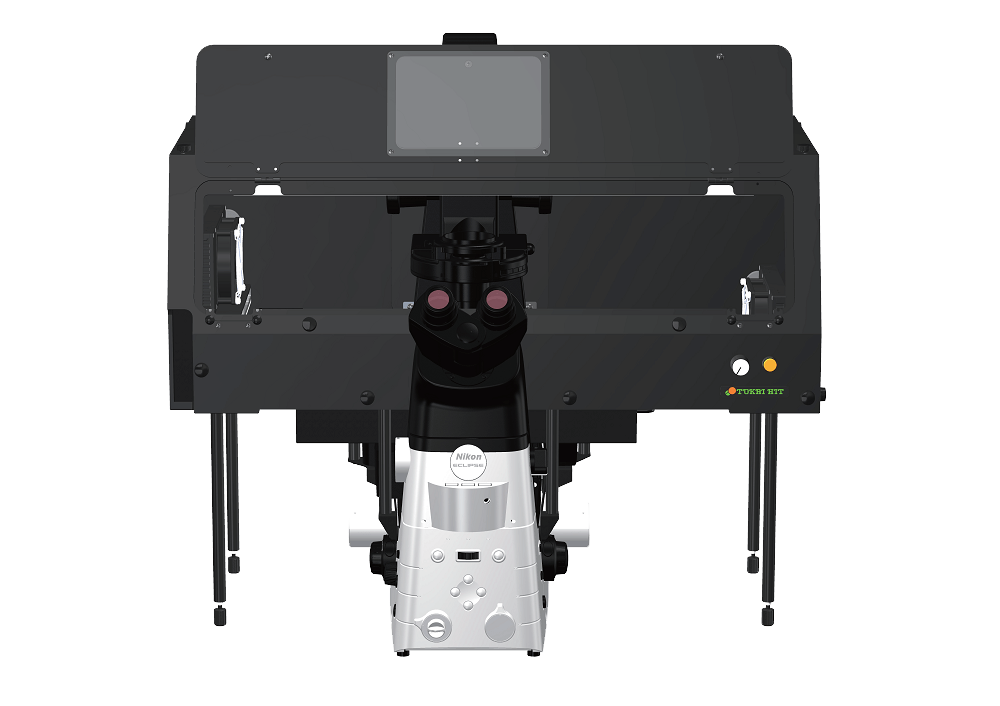
Vibration Test Video
Choosing a ThermoBox for Your Microscope
WPI Europe lists packages for selected Zeiss, Leica, Olympus and Nikon microscopes, with dark and transparent options depending on the model. Before ordering, check the exact microscope and stage configuration, the access you need during imaging, and whether your experiment also requires control of CO₂ or humidity.