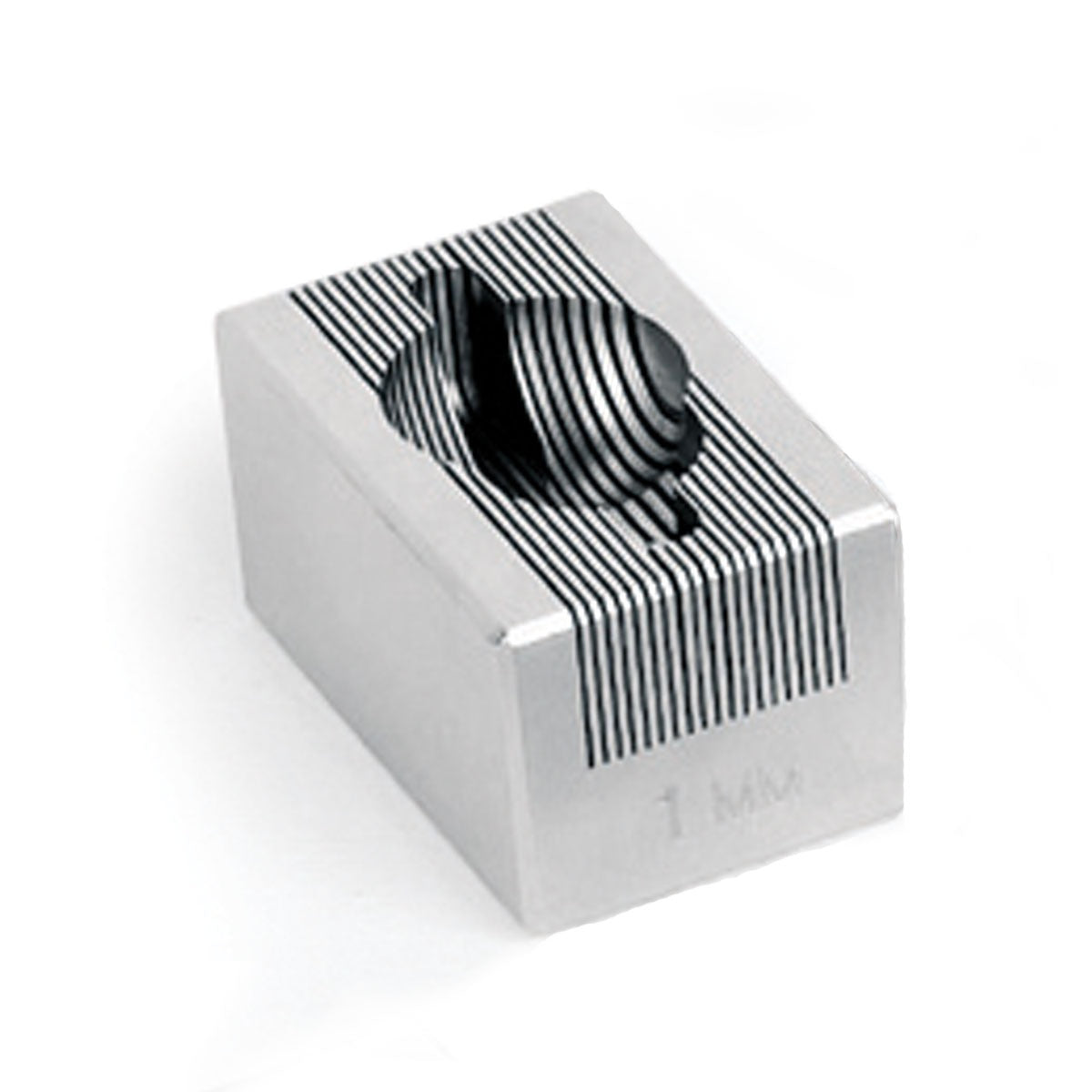
齧歯類脳マトリックス、ステンレス製

商品情報にスキップ
1 8
通常価格 $345
セール価格 $345 通常価格

RBMS-200C

通常価格 $345
セール価格 $345 通常価格

使用法

価格はアメリカ合衆国、カナダ、プエルトリコのみ有効です。

WPIの脳マトリックスを使用すると、薄く均一な脳スライスを得ることができ、これは組織学的解析、免疫組織化学、分子生物学などにおいて非常に重要です。この均一性は、異なる脳や実験条件間での正確な比較に不可欠です。これらのWPIの齧歯類用脳マトリックスは耐久性のあるステンレス鋼で作られており、脳をスライス中に固定するための精密にカットされたチャネルやスロットがあります。マトリックスは、使用する動物の種類(マウスまたはラット)とサイズに基づいて選択してください。WPIの脳マトリックスは矢状断または冠状断用に設計されています。これらの脳マトリックスは厚さ1mmの均一なスライスを提供し、嗅覚脊髄切り欠きがすべてのマトリックスに施されています。マトリックスは冷却や滅菌が可能で、熱伝導や特定の温度範囲の維持が必要な場合に役立ちます。標準化され精密な脳切片作製を実現しましょう。WPIの脳マトリックスを使うことで、齧歯類の脳の構造と機能の理解を深めるために、実験の再現性と正確性を確保できます。


詳細

WPIのステンレス鋼製齧歯類脳マトリックスは、175 gから600 gの成体マウスおよびラット用に冠状面および矢状面の構成で提供されています。各マトリックスには一貫した位置決めのための統合嗅覚ノッチがあり、温度管理や無菌操作が必要な場合には冷却や滅菌が可能です。耐久性のあるステンレス鋼製構造により、研究室での繰り返し可能な脳切片作成に必要な精度を提供し、長年にわたり信頼性の高い性能を発揮します。

齧歯類の脳マトリックスは、切片作成に使い捨てメスやカミソリの刃、正確な脳の位置決めにステレオタクシック器具、組織の取り扱いに顕微鏡用ピンセット、厚いまたは生体組織切片が必要な場合には脳組織スライサーと共に一般的に使用されます。WPIは脳解剖と組織準備のすべての段階をサポートする神経科学研究用ツールの完全なラインナップを提供しています。

特徴

  • 耐久性のあるステンレス鋼製構造
  • 成体マウスおよびラット用モデルあり
  • 冠状面および矢状面の構成
  • 精密加工された1 mmブレードガイド
  • 繰り返し可能な1 mm脳切片
  • 冷却および滅菌に適しています
  • 統合された嗅覚位置決めノッチ

    オプション

    以下の表は、各マウスおよびラット用脳マトリックスの寸法と空洞の深さをまとめており、研究に適したモデルの選択に役立ちます。

    成体マウス用ステンレス鋼冠状脳マトリックス
    注文コード 被験体 切片 A B C D E 空洞
    深さ
    RBMS-200C 成体マウス 冠状面 3.18 11.1 8.73 19.1 12.2 7.4
    RBMS-200S 成体マウス 矢状面 3.18 11.1 8.73 19.1 12.2 7.4
    RBMS-300C ラット、175-300 g 冠状面 4.76 15.9 12.7 36.6 23.8 7.61
    RBMS-300S ラット、175-300 g 矢状面 4.76 15.9 12.7 36.6 23.8 7.61
    RBMS-600C ラット、300-600 g 冠状面 4.76 19.8 14.7 36.6 24.7 10.91
    RBMS-600S ラット、300-600 g 矢状面 4.76 19.8 14.7 36.6 24.7 10.91

    すべてのユニットは1.0ポンド(発送重量)で、すべてステンレス鋼製です。

    一般的な用途

    • 組織学
    • 免疫組織化学
    • 脳アトラス研究
    • 神経科学研究
    • 病変の確認
    • 電気生理学
    • 分子生物学
    • RNA抽出
    • タンパク質分析
    • 凍結切片の準備

    脳切片作成のベストプラクティス

    • 切片作成前にマトリックスを冷却してください。
    • 組織を置く前に余分な水分を取り除いてください。
    • 新しいカミソリの刃を使用してください。
    • 嗅覚ノッチを正しく合わせてください。
    • サンプル間を清掃してください。

    よくある質問

    How does a rodent brain matrix work?

    A rodent brain matrix supports freshly dissected brain tissue within a precision-machined cavity while evenly spaced slots guide razor blades to create uniform slices. Because every cut follows the same spacing, researchers can obtain reproducible anatomical sections between animals and across experiments.

    What is the difference between a coronal and sagittal rodent brain matrix?

    A coronal brain matrix produces slices that divide the brain from front to back, creating cross-sectional views commonly used to examine structures such as the cortex, hippocampus, thalamus, and basal ganglia. A sagittal brain matrix creates slices that divide the brain from left to right, making it easier to study midline structures, the cerebellum, brainstem, and longitudinal neural pathways. The best choice depends on the anatomical region being investigated and the requirements of your experimental protocol. WPI offers both coronal and sagittal stainless steel brain matrices for adult mice and rats to support a wide range of neuroscience applications.

    Why choose a stainless steel brain matrix instead of an acrylic brain matrix?

    Stainless steel brain matrices provide greater durability, dimensional stability, and long-term precision than acrylic alternatives. Unlike acrylic, stainless steel resists scratching, warping, and wear from repeated use, helping maintain consistent slice spacing over time. It can also be chilled before sectioning to help preserve tissue integrity and is compatible with standard laboratory sterilization procedures. For laboratories that perform frequent brain sectioning or require highly reproducible results, a stainless steel brain matrix offers superior longevity and reliable performance compared to acrylic models.

    How do I choose the right rodent brain matrix for my application?

    Selecting the right brain matrix depends on the species, animal size, and the orientation of the sections required for your study. WPI offers matrices for adult mice, rats weighing 175 to 300 g, and rats weighing 300 to 600 g, each available in both coronal and sagittal configurations. Coronal matrices are commonly used for examining structures such as the cortex, hippocampus, and basal ganglia, while sagittal matrices are preferred for studies involving the cerebellum, brainstem, and midline anatomy. Choosing a matrix that matches your animal model and experimental protocol helps ensure accurate positioning, consistent section thickness, and reproducible results.

    Can a stainless steel brain matrix be sterilized?

    Yes. WPI stainless steel brain matrices are designed to withstand standard laboratory sterilization procedures and may also be chilled before use when temperature control is important for preserving tissue integrity during sectioning. Unlike acrylic matrices, stainless steel maintains its dimensional accuracy through repeated cleaning and sterilization, making it well suited for laboratories that require long-term durability and consistent performance. Always follow your laboratory's approved cleaning and sterilization protocols to help preserve the instrument's precision and finish.

    What thickness of brain sections can a rodent brain matrix produce?

    WPI rodent brain matrices feature precision-machined guide slots spaced at 1 mm intervals, allowing researchers to produce consistent 1 mm brain sections. Individual slice thickness is determined by the spacing between the blade guides and the use of standard razor blades. Uniform section thickness improves reproducibility and helps researchers accurately compare anatomical regions across multiple specimens.


    齧歯類脳マトリックス、ステンレス製

    $345.00

    関連商品

    1 8